Why Nurses Need BLS Training for Healthcare
Nurses are often the first line of defense in medical emergencies. Their role requires not only clinical knowledge but also the ability to act swiftly and effectively when a patient’s life is at risk. Basic Life Support (BLS) training equips nurses with essential skills to respond confidently in critical situations. This training is more than a certification; it is a vital tool that empowers nurses to save lives and improve patient outcomes.
The Importance of BLS Training for Healthcare Professionals
In healthcare settings such as dental offices, medical clinics, senior living communities, and schools, emergencies can happen without warning. Nurses must be prepared to provide immediate care until advanced medical help arrives. BLS training for healthcare professionals ensures that nurses can:
Recognize life-threatening emergencies quickly
Perform high-quality cardiopulmonary resuscitation (CPR)
Use automated external defibrillators (AEDs) effectively
Manage airway obstructions and breathing difficulties
This training builds confidence and competence, enabling nurses to act decisively. When seconds count, hesitation can cost lives. BLS training bridges the gap between emergency recognition and advanced care, making nurses indispensable in any healthcare environment.

How BLS Training Enhances Nurse Preparedness
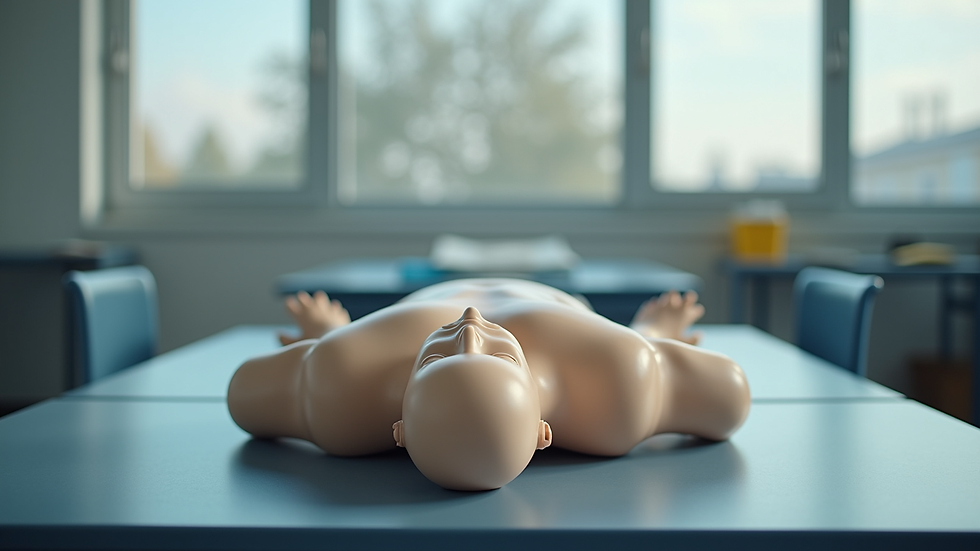
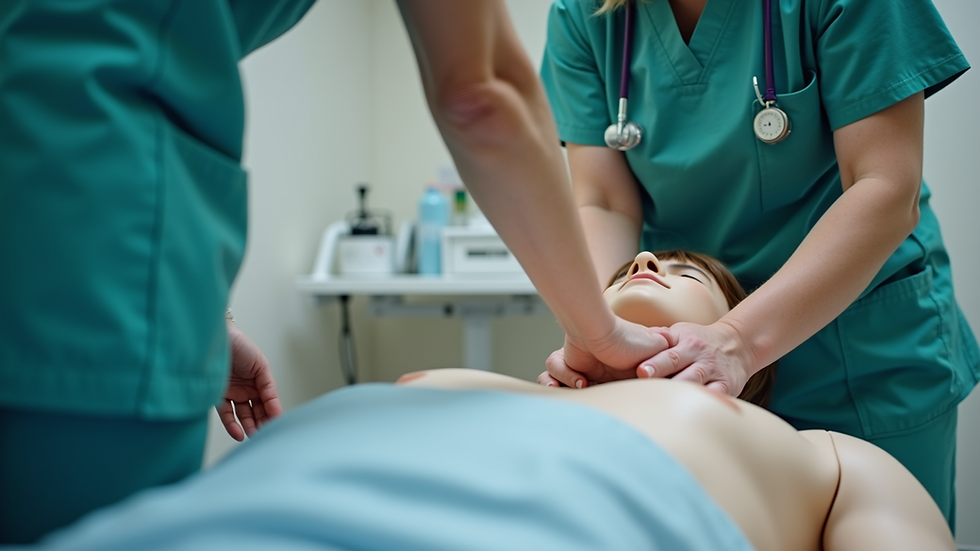
BLS training is designed to be practical and hands-on. Nurses learn through realistic scenarios that simulate emergencies they may encounter. This approach helps them retain skills and apply them under pressure. Key benefits include:
Skill mastery: Repeated practice of CPR and AED use ensures muscle memory.
Updated guidelines: Training follows the latest evidence-based protocols.
Team coordination: Nurses learn to communicate and collaborate during emergencies.
Calm under pressure: Exposure to simulated crises builds emotional resilience.
By completing basic life support training for nurses, healthcare providers demonstrate their commitment to patient safety and professional excellence. This certification is nationally recognized and often required by employers, reflecting its critical role in healthcare readiness.
What are the 7 Steps of BLS?
Understanding the structured approach of BLS is essential for nurses. The seven steps provide a clear, systematic method to manage emergencies:
Assess the situation: Ensure the scene is safe for both the rescuer and the patient.
Check responsiveness: Gently tap and shout to see if the patient responds.
Call for help: Activate emergency medical services or call for assistance.
Open the airway: Use the head-tilt, chin-lift maneuver to open the airway.
Check breathing: Look, listen, and feel for normal breathing for no more than 10 seconds.
Provide rescue breaths: If the patient is not breathing normally, give two effective breaths.
Start chest compressions: Begin high-quality chest compressions at the recommended rate and depth.
These steps are designed to maximize the chances of survival and minimize brain damage during cardiac arrest or respiratory failure. Nurses trained in BLS can confidently follow this protocol, ensuring timely and effective intervention.

Real-World Applications of BLS Skills in Healthcare Settings
Nurses encounter a variety of emergencies where BLS skills are crucial. Examples include:
Cardiac arrest in a senior living community: Immediate CPR and AED use can restore heart rhythm before paramedics arrive.
Choking incidents in schools or dental offices: Clearing airway obstructions quickly prevents suffocation.
Respiratory distress in medical clinics: Providing rescue breaths and maintaining airway patency stabilizes patients.
Sudden collapse during corporate events: Nurses on-site can initiate life-saving measures, buying critical time.
In each scenario, the nurse’s ability to act with confidence and precision can mean the difference between life and death. BLS training prepares nurses to handle these situations calmly and competently, reinforcing their role as frontline responders.
Building a Culture of Safety and Confidence
Beyond individual skills, BLS training fosters a culture of safety within healthcare environments. When nurses are trained and certified, they become leaders in emergency preparedness. This culture benefits everyone:
Patients: Receive faster, more effective care.
Staff: Feel supported and empowered to act.
Organizations: Meet regulatory requirements and improve reputation.
Encouraging ongoing BLS education and refresher courses ensures that nurses maintain their skills and stay current with evolving guidelines. This commitment to continuous learning strengthens the entire healthcare community’s ability to respond to emergencies.
Empowering Nurses to Save Lives Every Day
Vital Institute’s mission is to equip individuals with the confidence and practical skills needed to respond effectively during medical emergencies. Nurses who complete BLS training gain more than knowledge—they gain the courage to act decisively when seconds matter most.
By investing in basic life support training for nurses, healthcare providers ensure their teams are ready to face emergencies with calm authority and clear purpose. This training is a cornerstone of patient safety and professional responsibility.
Nurses trained in BLS are not just caregivers; they are lifesavers. Their preparedness and skill can transform critical moments into stories of survival and hope.
Empower your healthcare team with the skills to save lives. BLS training is an essential step toward building a safer, more responsive healthcare environment.

Comments