Master Basic Life Support Training for Nurses: BLS Training for Nurses
In healthcare settings, seconds can mean the difference between life and death. Nurses are often the first responders in emergencies, making their ability to perform Basic Life Support (BLS) critical. Mastering BLS training for nurses ensures they are prepared to act swiftly and confidently when a patient’s life is at risk. This training equips nurses with essential skills to maintain airway, breathing, and circulation until advanced care arrives.
BLS is a foundational skill set that every nurse must possess. It involves a series of life-saving techniques, including cardiopulmonary resuscitation (CPR) and the use of automated external defibrillators (AEDs). These skills are vital in various environments such as dental offices, medical clinics, senior living communities, schools, churches, security companies, and corporate teams. The goal is to empower nurses to respond effectively and save lives.
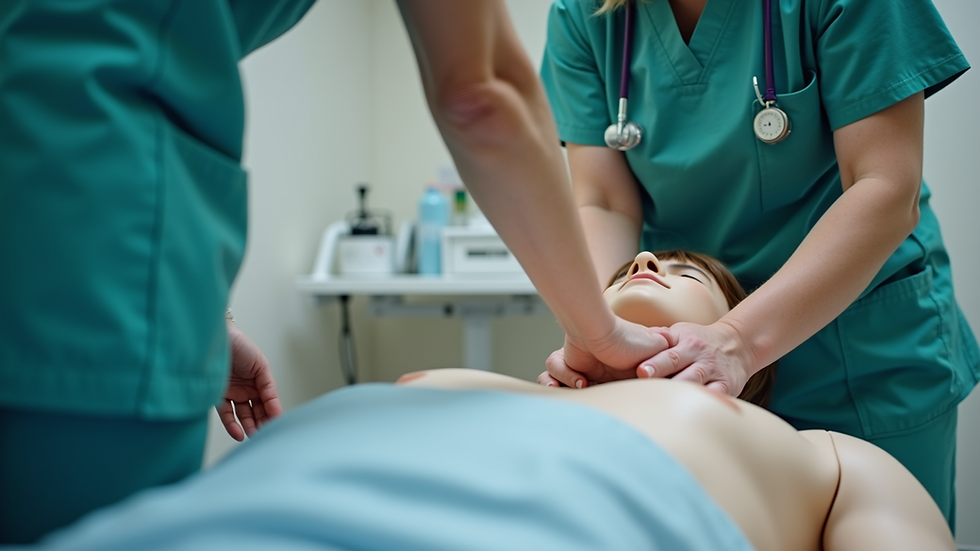
Hands-on practice is essential for mastering life-saving techniques.
Why BLS Training for Nurses is Essential
BLS training for nurses is more than a certification; it is a commitment to patient safety and community health. Nurses frequently encounter situations where immediate intervention is necessary. Whether it is a cardiac arrest, choking, or respiratory failure, knowing how to perform BLS can stabilize a patient and improve outcomes.
This training builds confidence by providing nurses with clear, practical steps to follow during emergencies. It also reinforces teamwork and communication skills, which are crucial in high-pressure situations. Nurses trained in BLS become leaders in emergency preparedness within their workplaces, fostering a culture of safety and readiness.
Moreover, BLS certification is often a mandatory requirement for healthcare professionals. It ensures that nurses meet nationally recognized standards and are up to date with the latest guidelines. This standardization helps maintain a high level of care across different healthcare settings.
What are the 7 Steps of BLS?
Understanding the 7 steps of BLS is fundamental for nurses to deliver effective care. These steps provide a structured approach to managing emergencies:
Assess the Situation - Quickly evaluate the environment for safety and the patient’s condition.
Check Responsiveness - Gently tap and shout to see if the patient responds.
Call for Help - Activate the emergency response system immediately.
Open the Airway - Use the head-tilt, chin-lift maneuver to open the airway.
Check Breathing - Look, listen, and feel for normal breathing for no more than 10 seconds.
Provide Rescue Breaths - If the patient is not breathing, give two effective breaths.
Start Chest Compressions - Begin high-quality chest compressions at the correct rate and depth.
Each step is designed to maximize the chances of survival until advanced medical help arrives. Nurses must practice these steps regularly to maintain proficiency and confidence.

Proper use of an AED is a critical component of BLS.
Hands-On Learning: The Key to Real-World Readiness
Theoretical knowledge alone is not enough to prepare nurses for emergencies. Hands-on learning is the cornerstone of effective BLS training. Through realistic simulations and practice on manikins, nurses develop muscle memory and decision-making skills that are crucial in real-life scenarios.
Vital Institute emphasizes practical training that mirrors actual emergencies. This approach helps nurses become comfortable with the equipment and procedures, reducing hesitation during critical moments. Instructors provide immediate feedback, allowing learners to refine their techniques and build confidence.
Training also includes the use of AEDs, which are increasingly common in public and healthcare settings. Nurses learn how to quickly and safely operate these devices, which can restore a normal heart rhythm in cases of sudden cardiac arrest.
Building Confidence and Competence Through Certification
Certification in BLS is a testament to a nurse’s competence and readiness. It assures employers, colleagues, and patients that the nurse has met rigorous standards. The certification process involves both written and practical assessments to verify knowledge and skills.
Achieving certification boosts a nurse’s confidence, knowing they are prepared to act decisively. It also encourages ongoing learning and skill refreshment, which are vital as guidelines evolve. Nurses who maintain current certification contribute to a safer healthcare environment and enhance the overall quality of care.
Employers benefit from having certified staff, as it reduces liability and improves patient outcomes. It also fosters a culture of professionalism and accountability within healthcare teams.
Empowering Nurses to Save Lives Every Day
Mastering basic life support training for nurses is a powerful step toward becoming a lifesaver. This training empowers nurses to respond with calm authority and clear purpose when seconds matter most. It transforms ordinary healthcare providers into confident, capable responders who can make a critical difference.
Vital Institute’s mission is to equip nurses and other professionals with the skills needed to protect their communities. Through accredited courses, hands-on practice, and expert instruction, nurses gain the tools to face emergencies with courage and competence.
By investing in BLS training, healthcare organizations ensure their teams are prepared to handle crises effectively. This preparation not only saves lives but also strengthens trust and safety within the community.
Mastering BLS is a vital responsibility and privilege for nurses. It is a commitment to excellence, readiness, and the well-being of every patient. With the right training and mindset, nurses can confidently step forward and provide life-saving care when it matters most.


Comments