Emergency Response Training: Be Ready for Action with Emergency Preparedness Training
In moments of crisis, every second counts. Being prepared to respond effectively can mean the difference between life and death. Emergency response training equips individuals with the skills, confidence, and calm needed to act decisively when emergencies arise. This training is essential for workplaces such as dental offices, medical clinics, senior living communities, schools, churches, security companies, and corporate teams. It ensures that staff members are ready to provide immediate assistance, stabilize situations, and potentially save lives.
Emergency preparedness training is not just about learning techniques; it is about building a mindset of readiness and responsibility. This article explores the importance of emergency response training, the benefits of hands-on learning, and how to become certified to respond with confidence.
Why Emergency Preparedness Training Matters
Emergencies can happen anywhere, at any time. Whether it is a sudden cardiac arrest, choking incident, or a fall resulting in injury, having trained responders on-site can dramatically improve outcomes. Emergency preparedness training provides the knowledge and practical skills necessary to:
Recognize signs of medical distress quickly
Perform CPR and use an AED effectively
Manage choking emergencies safely
Provide Basic Life Support (BLS) until professional help arrives
This training fosters a culture of safety and preparedness. It empowers individuals to act without hesitation, reducing panic and confusion during critical moments. For organizations, it means compliance with safety regulations and creating a safer environment for employees, clients, and visitors.

What to Expect from Emergency Preparedness Training
Effective emergency preparedness training combines clear instruction with hands-on practice. Participants learn through demonstration, guided practice, and real-world scenarios that simulate emergencies. This approach ensures that learners not only understand the theory but also develop muscle memory and confidence.
Key components of a comprehensive training program include:
CPR Certification: Training in cardiopulmonary resuscitation for adults, children, and infants.
AED Use: Instruction on how to operate automated external defibrillators safely and effectively.
Choking Relief: Techniques to assist someone who is choking.
Basic Life Support (BLS): Advanced skills for healthcare providers and staff in medical settings.
Emergency Action Plans: Understanding roles and communication during emergencies.
Training is often tailored to the specific needs of the workplace or community, ensuring relevance and practical application. Nationally recognized certification validates the skills learned and demonstrates a commitment to safety.
For those interested in enrolling, an emergency response training course offers structured learning with expert instructors who guide participants through every step.
How do I get NIMS certified?
The National Incident Management System (NIMS) certification is a valuable credential for those involved in emergency management and response. It provides a standardized approach to incident management, ensuring coordination across agencies and organizations.
To get NIMS certified, individuals typically follow these steps:
Identify Required Courses: NIMS training includes several courses, such as IS-100 (Introduction to Incident Command System), IS-200 (ICS for Single Resources and Initial Action Incidents), and others depending on your role.
Complete Online or In-Person Training: Many courses are available online through FEMA’s Emergency Management Institute or through authorized training providers.
Obtain Documentation: After completing the courses, participants receive certificates that serve as proof of NIMS training.
Maintain Certification: Some roles require refresher courses or additional training to stay current.
NIMS certification complements emergency preparedness training by enhancing coordination skills during large-scale incidents. It is especially useful for security companies, schools, and organizations involved in community safety planning.
Building Confidence Through Hands-On Learning
Confidence is the cornerstone of effective emergency response. Training that emphasizes hands-on practice allows participants to experience real-life scenarios in a controlled environment. This experiential learning helps reduce fear and hesitation.
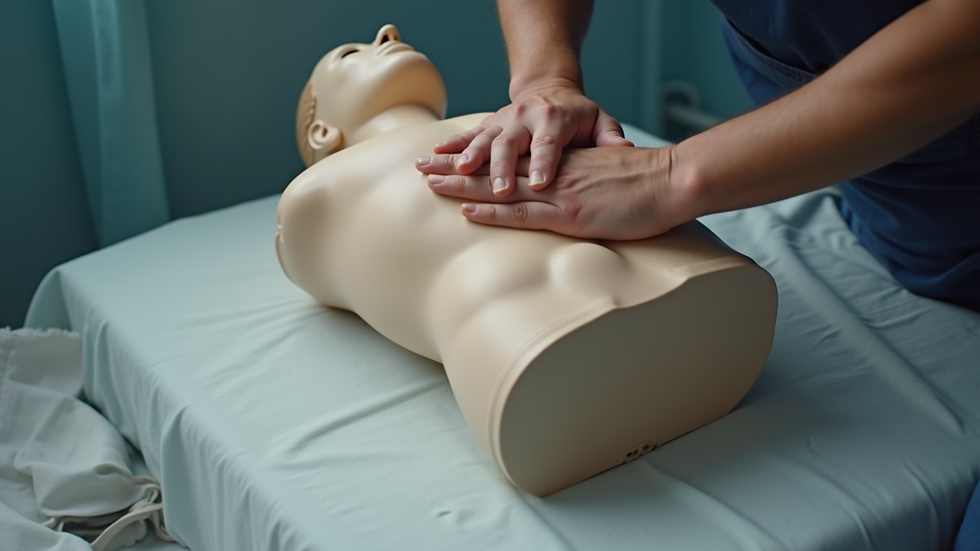
For example, practicing CPR on mannequins teaches proper hand placement, compression depth, and rhythm. Using AED trainers familiarizes learners with the device’s prompts and operation. Simulated choking emergencies help participants master the Heimlich maneuver safely.
Instructors provide immediate feedback, correcting technique and reinforcing best practices. This approach ensures that when an actual emergency occurs, responders act with precision and calm.
Organizations benefit from scheduling regular refresher courses to keep skills sharp and maintain readiness. Empowered staff members become confident leaders in emergencies, improving overall safety culture.
The Role of Emergency Preparedness Training in Community Safety
Emergency preparedness training extends beyond individual workplaces. It strengthens community resilience by creating networks of trained responders who can assist during disasters or medical emergencies.
Schools, churches, and senior living communities often serve vulnerable populations. Training staff in these settings ensures rapid response to incidents such as falls, cardiac events, or choking. Security companies and corporate teams also play a critical role in maintaining safety and managing emergencies effectively.
By investing in accredited training programs, organizations demonstrate leadership and responsibility. They contribute to a safer environment where everyone is prepared to act with courage and competence.
Vital Institute’s mission is to equip ordinary people to respond with extraordinary courage when seconds matter. Their accredited CPR, AED, and Basic Life Support training programs are designed to meet the needs of diverse groups throughout the Inland Empire.
Taking the Next Step: Enroll in Training Today
Preparedness is a continuous journey. The best way to ensure readiness is to participate in a professional emergency response training course. These courses provide the knowledge, skills, and certification needed to respond confidently and effectively.
When selecting a training provider, look for:
Accredited Programs: Nationally recognized certification ensures quality and acceptance.
Experienced Instructors: Trainers with real-world experience and teaching expertise.
Customized Training: Programs tailored to your workplace or community needs.
Hands-On Practice: Opportunities to practice skills in realistic scenarios.
Ongoing Support: Access to refresher courses and resources.
By committing to emergency preparedness training, organizations and individuals take a vital step toward safeguarding lives. The ability to act decisively in an emergency is a powerful gift—one that can save lives and strengthen communities.
Emergency response training is more than a requirement; it is a responsibility. It builds confidence, competence, and a culture of safety that benefits everyone. With the right training, anyone can be ready for action when it matters most.


Comments