Finding Local CPR Certification Classes: Your Guide to CPR Certification Nearby
Learning CPR is a vital step toward ensuring safety in any environment. Whether in dental offices, medical clinics, senior living communities, schools, churches, security companies, or corporate teams, having staff trained in CPR and Basic Life Support (BLS) can make the difference between life and death. Finding CPR certification nearby is essential for timely access to hands-on training that builds confidence and readiness.
This guide will walk you through the importance of CPR certification, how to find local classes, and what to expect from a quality training program. The goal is to empower individuals with the skills and knowledge to act decisively when seconds matter.
Why CPR Certification Nearby Matters
When emergencies strike, immediate response is critical. Having CPR-certified personnel on-site can dramatically improve survival rates in cardiac arrest and other life-threatening situations. Choosing CPR certification nearby offers several advantages:
Convenience: Close proximity reduces travel time, making it easier to fit training into busy schedules.
Community Focus: Local classes often tailor content to the specific needs of the community or workplace.
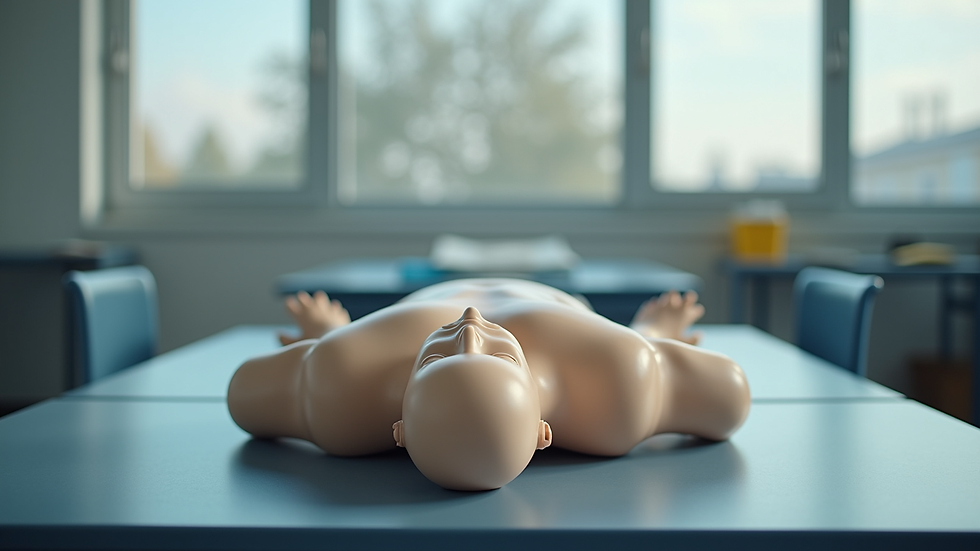
Hands-On Learning: In-person sessions provide practical experience with mannequins and AED devices.
Networking: Training alongside local peers fosters a sense of shared responsibility and support.
For organizations, investing in local CPR training demonstrates a commitment to safety and preparedness. It also ensures that staff receive nationally recognized certification that meets regulatory and professional standards.

How to Find CPR Certification Nearby
Finding the right CPR certification class nearby involves a few key steps:
Identify Accredited Providers
Look for organizations accredited by recognized bodies such as the American Heart Association (AHA) or the American Red Cross. Accreditation guarantees that the curriculum meets national standards.
Check Course Offerings
Ensure the course covers the specific certification needed, such as Basic Life Support (BLS) for healthcare providers or standard CPR for lay responders.
Consider Class Format
Many providers offer blended learning options combining online theory with in-person skills sessions. This approach maximizes flexibility while ensuring hands-on practice.
Verify Certification Validity
Confirm that the certification is valid for two years and accepted by employers and regulatory agencies.
Read Reviews and Testimonials
Feedback from past participants can provide insight into the quality of instruction and overall experience.
Contact Providers Directly
Ask about class sizes, instructor qualifications, and scheduling options to find a program that fits your needs.
For those seeking local cpr certification classes, Vital Institute offers comprehensive training throughout the Inland Empire, combining expert instruction with practical skills development.
What is the Best Place to Get CPR Certified?
Choosing the best place to get CPR certified depends on several factors:
Reputation and Experience
Established training centers with a track record of successful certifications provide peace of mind.
Instructor Expertise
Instructors should be certified, experienced, and skilled at teaching both beginners and professionals.
Class Size and Interaction
Smaller classes allow for personalized attention and more hands-on practice.
Course Content and Updates
The curriculum should reflect the latest guidelines from authoritative organizations like the AHA.
Accessibility and Scheduling
Flexible scheduling and convenient locations make it easier to complete certification without disrupting work.
Vital Institute exemplifies these qualities by offering accredited CPR, AED, and BLS training tailored to the needs of various workplaces. Their programs emphasize real-world readiness, ensuring participants leave confident and capable.

What to Expect in a CPR Certification Class
CPR certification classes are designed to be practical, engaging, and informative. Participants can expect:
Comprehensive Instruction
Clear explanations of cardiac arrest, choking, and other emergencies.
Hands-On Practice
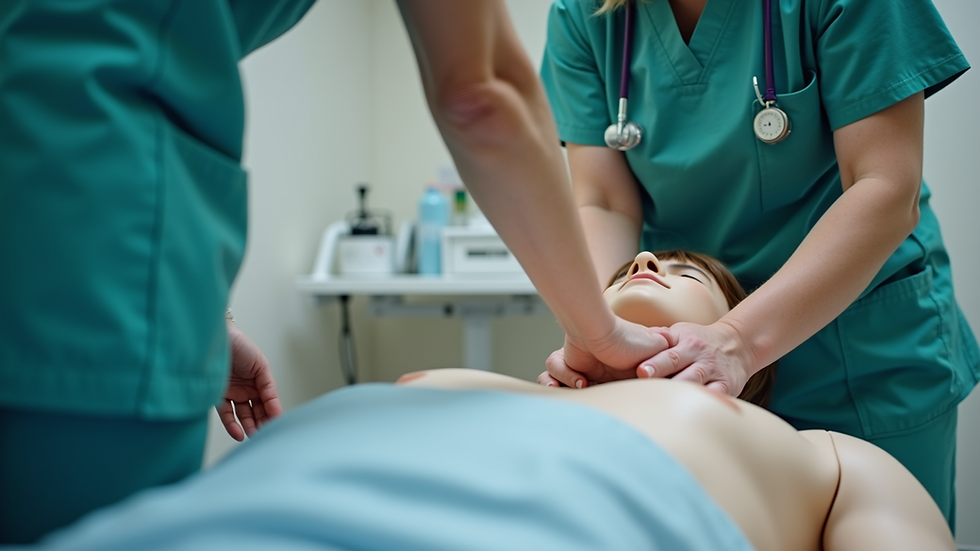
Use of mannequins to practice chest compressions, rescue breaths, and AED operation.
Scenario-Based Training
Realistic simulations to build decision-making skills under pressure.
Assessment and Feedback
Instructors provide guidance and evaluate skills to ensure competence.
Certification Upon Completion
Successful participants receive a card valid for two years, recognized nationwide.
The training focuses on empowering individuals to act with confidence and calm authority. It is suitable for first-time learners and those refreshing their skills alike.
Preparing Your Team for CPR Certification
Organizations can maximize the benefits of CPR training by preparing their teams effectively:
Schedule Training in Advance
Coordinate with providers to find dates that minimize disruption.
Communicate Importance
Emphasize the life-saving value of CPR skills to motivate participation.
Encourage Questions
Create an open environment where learners feel comfortable seeking clarification.
Provide Refresher Opportunities
Plan for regular updates to maintain skills and certification validity.
Integrate Training into Safety Plans
Ensure CPR-trained staff are part of emergency response protocols.
By fostering a culture of preparedness, organizations enhance overall safety and resilience.
Taking the Next Step Toward Life-Saving Skills
Finding CPR certification nearby is the first step toward building a safer environment. Access to quality training through local providers like Vital Institute equips individuals with the knowledge and hands-on experience needed to respond effectively in emergencies.
Whether in healthcare settings, educational institutions, or corporate environments, CPR certification empowers people to act with extraordinary courage when seconds matter. Investing in this training is an investment in community safety and confidence.
Explore available options today and take the vital step toward becoming a certified lifesaver.

Comments