Essential First Aid Techniques for Everyday Emergencies
Emergencies can happen at any moment, and knowing how to respond can make a significant difference. Whether it’s a minor cut, a sprain, or a more serious situation, having essential first aid techniques in your toolkit can help you act quickly and effectively. This guide will cover key first aid techniques that everyone should know, empowering you to handle everyday emergencies with confidence.

Understanding First Aid
First aid is the immediate assistance given to someone who is injured or suddenly ill. It can be the difference between life and death, or it can prevent a minor injury from becoming more serious. The primary goals of first aid are to:
Preserve life
Prevent further injury
Promote recovery
The Importance of First Aid Training
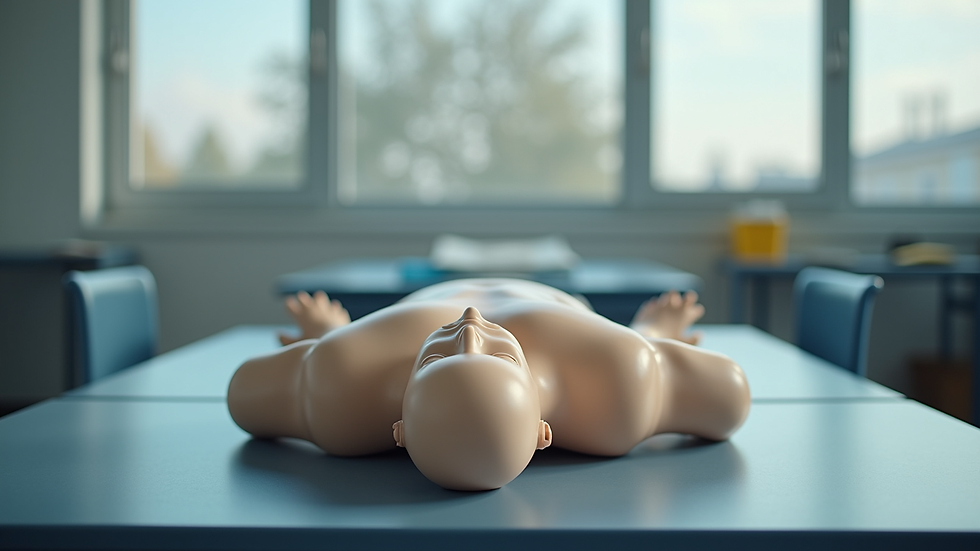
While knowing basic first aid techniques is crucial, formal training can enhance your skills and confidence. Many organizations offer courses that cover essential techniques, CPR, and how to use an AED (Automated External Defibrillator). Consider enrolling in a course to ensure you are prepared for emergencies.
Basic First Aid Techniques
1. Assessing the Situation
Before you rush in to help, take a moment to assess the situation. Look for potential dangers to yourself and the victim. Ensure the area is safe, and then approach the person calmly.
2. Calling for Help
If the situation is serious, call emergency services immediately. Provide clear information about the location and nature of the emergency. If you are not alone, delegate someone else to make the call while you attend to the victim.
3. Performing CPR
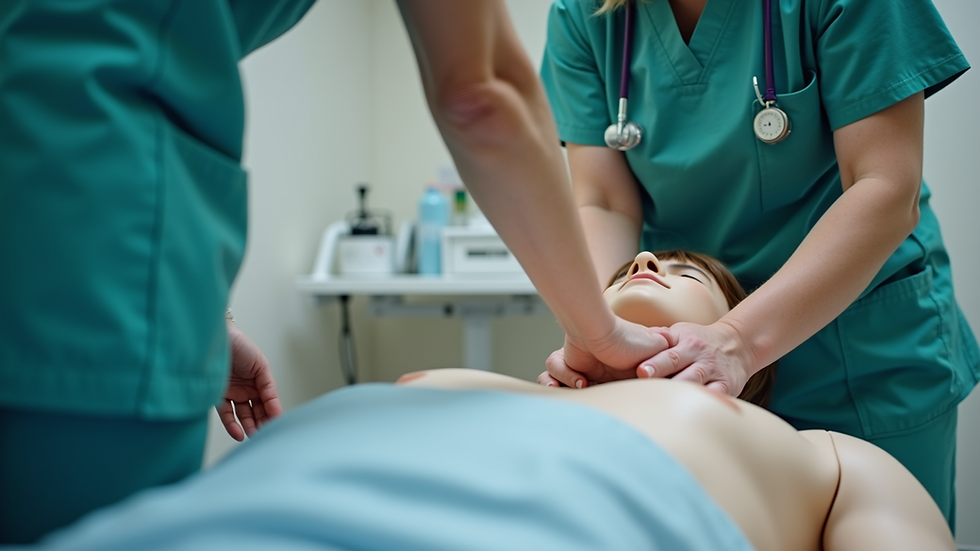
Cardiopulmonary resuscitation (CPR) is a lifesaving technique used when someone’s heart stops beating. Here’s how to perform CPR:
Check responsiveness: Tap the person and shout, “Are you okay?”
Call for help: If there’s no response, call emergency services.
Begin chest compressions: Place your hands in the center of the chest and push down hard and fast (at least 100 compressions per minute).
Give rescue breaths: After 30 compressions, give 2 rescue breaths if trained to do so.
4. Controlling Bleeding
Bleeding can be life-threatening if not controlled. Here’s how to manage it:
Apply direct pressure: Use a clean cloth or bandage to apply firm pressure to the wound.
Elevate the injury: If possible, raise the injured area above the heart level to reduce blood flow.
Use a tourniquet: If bleeding is severe and does not stop with direct pressure, a tourniquet may be necessary. Place it above the injury and tighten until bleeding stops.
5. Treating Burns
Burns can range from minor to severe. Here’s how to treat them:
Cool the burn: Run cool (not cold) water over the burn for 10-20 minutes.
Cover the burn: Use a sterile, non-stick bandage to cover the area.
Avoid ice: Do not apply ice directly to the burn, as it can cause further damage.
6. Managing Sprains and Strains
Sprains and strains can be painful and require immediate care. Follow the R.I.C.E method:
Rest: Avoid using the injured area.
Ice: Apply ice packs for 15-20 minutes every hour to reduce swelling.
Compression: Use an elastic bandage to wrap the injury.
Elevation: Keep the injured area elevated above the heart.
7. Responding to Choking
Choking can be life-threatening. Here’s how to help someone who is choking:
Encourage coughing: If the person can cough, encourage them to do so.
Perform back blows: If they cannot cough, give five firm back blows between the shoulder blades.
Use abdominal thrusts: Stand behind the person, place your arms around their waist, and perform quick inward and upward thrusts.
First Aid Kit Essentials
Having a well-stocked first aid kit is crucial for handling emergencies. Here are the essentials you should include:
Adhesive bandages in various sizes
Sterile gauze pads and adhesive tape
Antiseptic wipes or solution
Tweezers and scissors
Disposable gloves
Pain relievers (e.g., ibuprofen or acetaminophen)
Instant cold packs
A CPR face shield or mask
First aid manual
Special Considerations
First Aid for Children
Children may require different approaches to first aid due to their size and developmental stage. Always adjust your techniques accordingly and consider the following:
Use smaller doses of medication based on weight.
Be gentle and calm to avoid frightening the child.
Always seek professional medical help for serious injuries.
First Aid for the Elderly
Older adults may have specific health concerns that affect their response to injuries. Keep these points in mind:
They may take longer to heal.
Chronic conditions may complicate treatment.
Always consult a healthcare provider for ongoing issues.
Conclusion
Being prepared for everyday emergencies is essential. By learning and practicing these first aid techniques, you can respond effectively and confidently when the need arises. Remember, the best way to be ready is to stay informed and consider taking a first aid course. Equip yourself with knowledge, and you can make a significant difference in someone’s life when it matters most.
Take the first step today—review your first aid kit, refresh your skills, and be ready to act when emergencies occur.

Comments