BLS Certification: Empowering Professionals in Emergency Care
In the world of emergency care, every second counts. The ability to respond effectively in critical situations can mean the difference between life and death. This is where Basic Life Support (BLS) certification comes into play. It equips professionals with the essential skills needed to provide immediate care during emergencies. Whether you are a healthcare provider, a first responder, or someone interested in learning life-saving techniques, understanding BLS certification is crucial.
What is BLS Certification?
BLS certification is a credential that demonstrates an individual's proficiency in performing basic life support techniques. This includes skills such as:
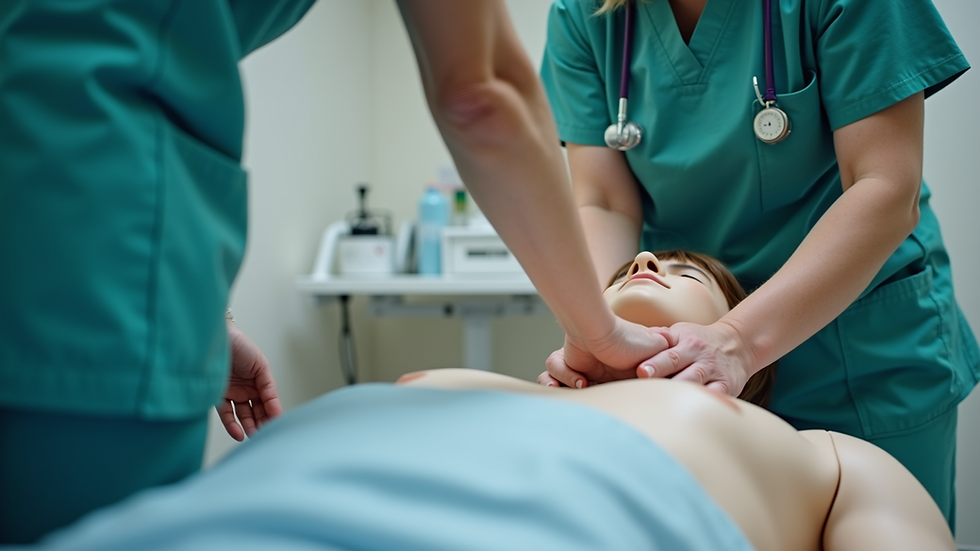
Cardiopulmonary Resuscitation (CPR): A vital technique used to restore breathing and circulation in a person who has stopped breathing or whose heart has stopped beating.
Use of an Automated External Defibrillator (AED): A device that can analyze the heart's rhythm and deliver an electric shock to restore a normal rhythm.
Relief of choking: Techniques to clear an obstructed airway in adults, children, and infants.
BLS training is essential for anyone involved in emergency response, including healthcare professionals, lifeguards, and even teachers. The certification is typically valid for two years, after which individuals must renew their training to stay current with the latest guidelines and techniques.

The Importance of BLS Certification
Life-Saving Skills
BLS certification provides individuals with the skills necessary to respond to emergencies effectively. For instance, knowing how to perform CPR can significantly increase a victim's chance of survival during a cardiac arrest. According to the American Heart Association, immediate CPR can double or triple a person's chance of survival.
Professional Requirement
For many healthcare professionals, BLS certification is not just beneficial; it is often a requirement. Hospitals, clinics, and other healthcare facilities typically mandate BLS certification for their staff. This ensures that all employees are prepared to handle emergencies, providing a safer environment for patients and staff alike.
Confidence in Emergencies
Having BLS certification instills confidence in individuals when faced with emergency situations. Knowing that you have the training to act can reduce panic and hesitation, allowing you to respond quickly and effectively. This confidence can be crucial in high-stress situations where every second matters.
Who Should Get BLS Certified?
BLS certification is beneficial for a wide range of professionals, including:
Healthcare Providers: Doctors, nurses, paramedics, and other healthcare workers are often required to have BLS certification to ensure they can provide immediate care in emergencies.
First Responders: Firefighters, police officers, and emergency medical technicians (EMTs) benefit from BLS training as they are often the first on the scene during emergencies.
Teachers and Coaches: Individuals responsible for the safety of children, such as teachers and sports coaches, should be trained in BLS to respond effectively in case of an emergency.
Parents and Caregivers: Anyone responsible for the care of children or vulnerable individuals can benefit from knowing how to perform basic life support.
How to Obtain BLS Certification
Choose a Recognized Provider
To obtain BLS certification, individuals should select a training provider recognized by reputable organizations such as the American Heart Association or the Red Cross. These organizations offer courses that meet national standards for BLS training.
Complete the Training Course
The training typically includes both theoretical and practical components. Participants will learn about:
The importance of early recognition and activation of the emergency response system.
Techniques for performing CPR on adults, children, and infants.
How to use an AED effectively.
Strategies for relieving choking in different age groups.
Pass the Assessment
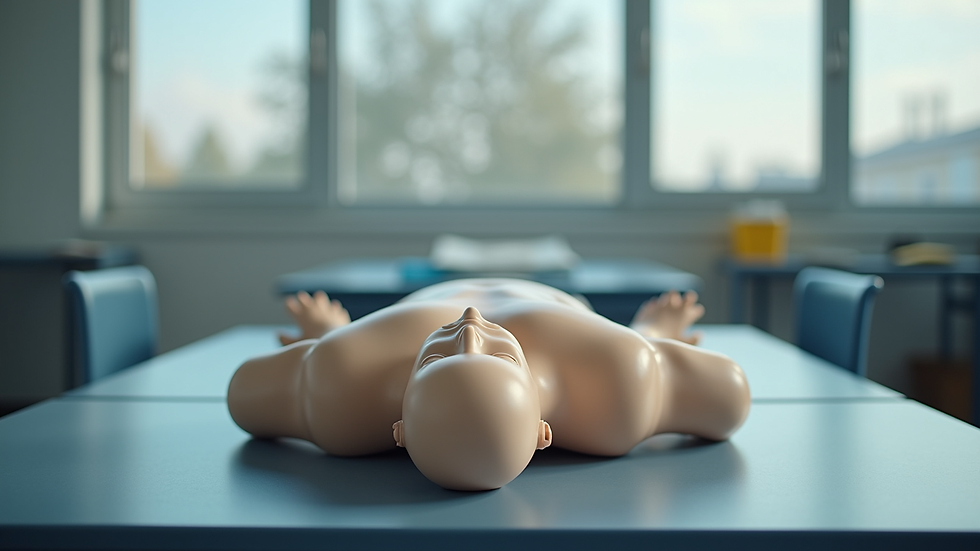
After completing the training, participants must pass a skills assessment to demonstrate their proficiency in BLS techniques. This may involve performing CPR on a mannequin, using an AED, and demonstrating choking relief techniques.
Receive Certification
Upon successful completion of the course and assessment, individuals will receive their BLS certification, which is usually valid for two years. It is essential to keep track of the expiration date and renew the certification as needed.
The Role of BLS in Emergency Situations
Case Study: Cardiac Arrest
Consider a scenario where a person collapses in a public place due to cardiac arrest. Bystanders who are BLS certified can quickly assess the situation, call for emergency help, and begin CPR immediately. Their prompt action can significantly increase the victim's chances of survival until professional medical assistance arrives.
The Chain of Survival
BLS training emphasizes the "Chain of Survival," which includes:
Early Recognition: Identifying when someone is in need of emergency care.
Early Activation: Calling emergency services without delay.
Early CPR: Starting CPR as soon as possible.
Early Defibrillation: Using an AED to restore a normal heart rhythm.
Early Advanced Care: Ensuring that advanced medical care is provided as soon as possible.
Each link in this chain is crucial for improving survival rates in emergencies.
BLS Certification and Workplace Safety
Creating a Safer Environment
Organizations that prioritize BLS certification for their employees create a safer environment for everyone. By ensuring that staff members are trained in emergency response, businesses can reduce the risk of fatalities and serious injuries during emergencies.
Compliance with Regulations
Many industries have regulations that require employees to be trained in emergency response. For example, healthcare facilities must comply with OSHA regulations that mandate training for staff in life-saving techniques. BLS certification helps organizations meet these requirements and maintain compliance.
Continuing Education and Renewal
Importance of Staying Current
BLS guidelines and techniques can evolve over time. Therefore, it is essential for certified individuals to stay updated with the latest practices. Regular training and renewal of certification ensure that skills remain sharp and effective.
Opportunities for Further Training
Many organizations offer advanced courses beyond basic BLS certification. These may include:
Advanced Cardiovascular Life Support (ACLS): For healthcare providers who need to manage more complex cardiac emergencies.
Pediatric Advanced Life Support (PALS): Focused on emergency care for infants and children.
These courses build upon the foundational skills learned in BLS training, providing deeper knowledge and advanced techniques.
Conclusion
BLS certification is a vital credential for anyone involved in emergency care. It empowers individuals with the skills and confidence needed to respond effectively in critical situations. Whether you are a healthcare professional, a teacher, or a concerned citizen, obtaining BLS certification can make a significant difference in saving lives.
Take the next step in your professional development and consider enrolling in a BLS course today. Your training could be the key to making a life-saving difference when it matters most.

Comments